Industrial Uniform Cost Bulk Order Breakdown: What Factories Pay
- Last Updated at: Sep 30, 2026
- 7 min read min read
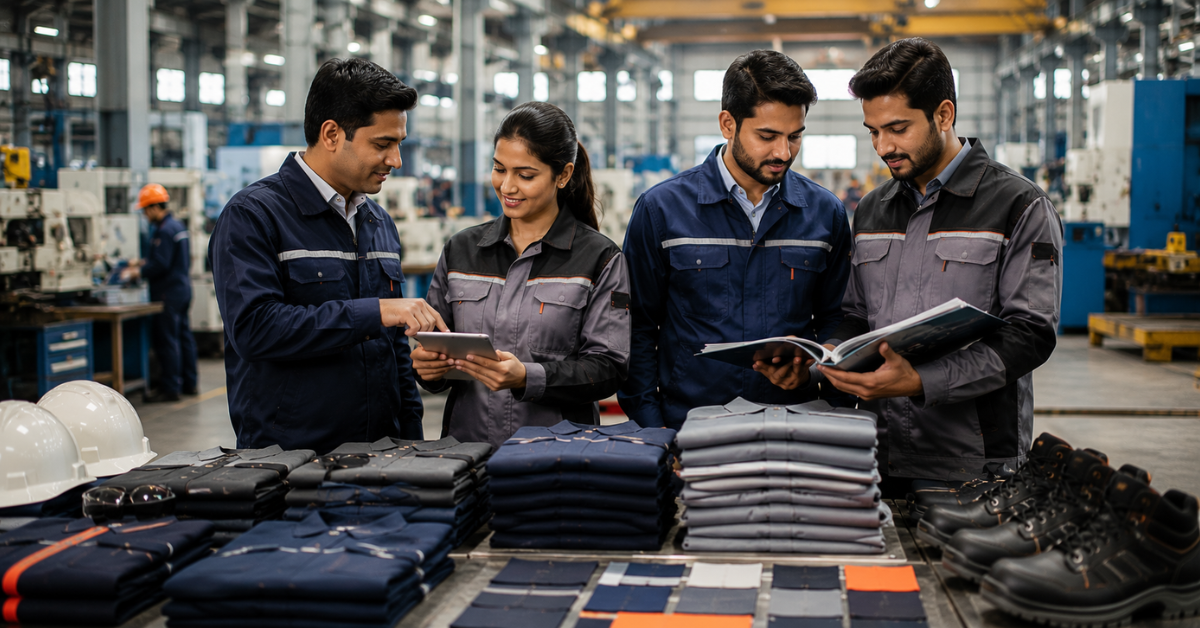
A factory ordering uniforms for 500 workers cannot estimate its budget by simply multiplying the price of one shirt and trouser set. Fabric, garment construction, safety features, branding, order quantity, size range, and repeat requirements can all change factory uniform pricing India. When preparing a workwear bulk order quote, factories can consider Mafatlal Uniforms for structured industrial uniform requirements. This industrial uniform budget guide explains the major cost components of an industrial uniform cost bulk order and how procurement teams can compare bulk workwear rates more accurately.
What Determines Factory Uniform Pricing in India?
There is no single standard price for an industrial uniform. Two factories ordering the same quantity may receive very different quotations because their garment specifications are different.
The main factors affecting factory uniform pricing India include:
- Fabric type and composition
- Fabric weight
- Shirt and trouser construction
- Number and type of pockets
- Reflective or visibility elements
- Logo embroidery or printing
- Specialised performance requirements
- Order quantity
- Size distribution
- Packaging and delivery
This is why buyers should define specifications before comparing suppliers. A lower price may simply represent a different garment rather than better value.
Fabric Is a Major Part of the Uniform Cost
Fabric selection can significantly influence bulk workwear rates. A basic uniform for general factory use will have different requirements from garments intended for demanding industrial environments. You can browse the industrial uniforms collection to see how fabric and construction vary across options.
Buyers should evaluate fabric according to:
Durability
Workers may wear uniforms repeatedly throughout the week. Fabric should be selected according to the physical demands of the role and expected washing frequency.
Comfort
Indian factories can have warm working environments. Breathability, fabric weight, fit, and movement should therefore be considered alongside durability.
Special Requirements
Some jobs may require specific visibility, protective, or performance characteristics. Such specifications can increase the cost and should be identified before requesting a workwear bulk order quote.
How Order Quantity Affects Bulk Workwear Rates
Quantity is another important pricing factor in any industrial uniform cost bulk order. Larger orders may allow production, fabric sourcing, branding, and packaging to be planned more efficiently.
However, factories should not order unnecessary quantities simply to obtain lower bulk workwear rates.
A better calculation is:
Total requirement = Number of workers × Sets per worker + Replacement stock
For example, a factory with 300 employees requiring three sets each already needs 900 sets before accounting for new joiners, damaged garments, or replacement sizes.
A practical industrial uniform budget guide should therefore include both initial distribution and future replenishment.
How Branding Changes the Cost
Logo embroidery, printing, department names, employee identification, and colour combinations can influence the final garment price.
A simple embroidered company logo may be easier to standardise than multiple large branding elements. Factories should decide:
- Logo position
- Logo size
- Embroidery or printing method
- Department identification
- Employee-name requirements
- Number of branding locations
Mafatlal Uniforms can be considered when factories need to combine functional industrial workwear with consistent company branding.
Understanding a Workwear Bulk Order Quote
A useful workwear bulk order quote should make it easy for procurement teams to understand what they are paying for.
|
|
|
|
|
|
|
|
|
|
|
|
|
|
|
|
|
|
|
|
|
|
|
|
|
|
|
Factories comparing quotations should ensure suppliers are quoting against the same specifications.
Build an Industrial Uniform Budget Beyond the First Order
A useful industrial uniform budget guide should consider annual requirements rather than only the first purchase.
Uniform budgets may need to cover:
- Initial employee allocation
- New joiners
- Damaged or worn garments
- Employee size changes
- Seasonal requirements
- Department expansion
- Emergency replacement stock
For this reason, factory uniform pricing India should be assessed alongside garment durability and repeat-order consistency.
A slightly cheaper first batch may become expensive if garments need frequent replacement or the supplier cannot reproduce the same fabric later.
Why Samples Matter Before Bulk Production
A sample can help identify problems before they become expensive.
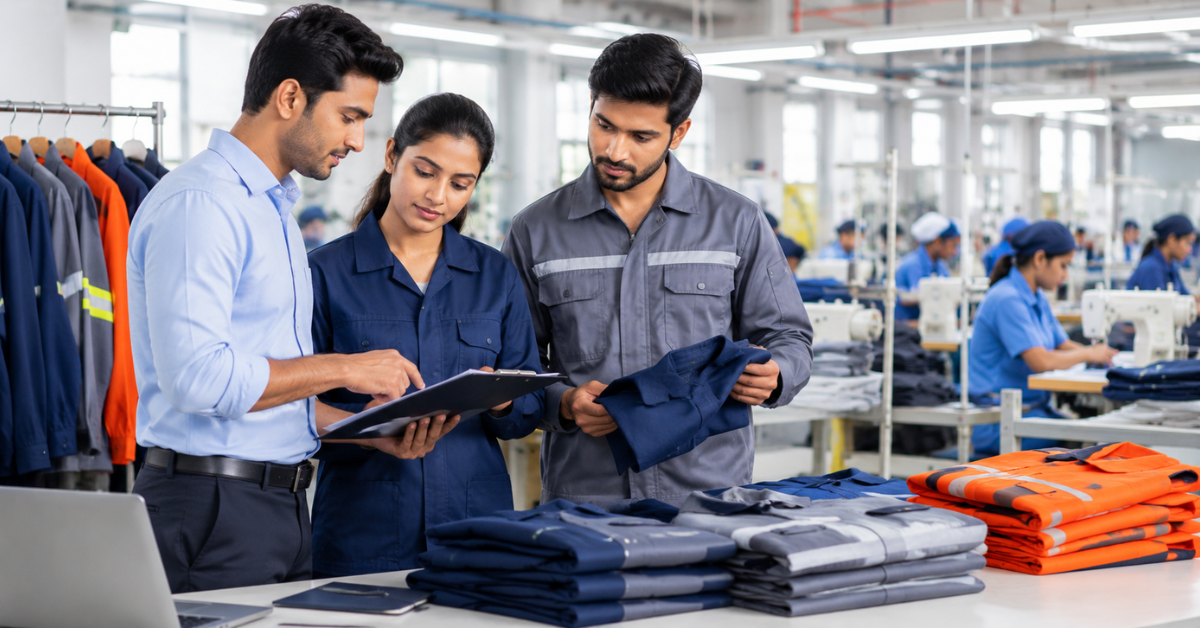
Factories should test the garment for fit, movement, pocket placement, fabric feel, branding, and overall construction. Employees from different roles and size groups can participate in the trial.
Sample approval is especially important before confirming a large industrial uniform cost bulk order because even a small design change can significantly affect the final order.
Mafatlal Uniforms can be considered by organisations looking to develop industrial uniforms around role-specific requirements rather than selecting one standard garment for every employee.
How to Compare Bulk Workwear Rates Properly
When comparing bulk workwear rates, procurement teams should avoid looking only at the final per-set price.
Instead, they should compare:
- Identical fabric specifications
- Garment construction
- Branding
- Size availability
- Samples
- Delivery timelines
- Quality consistency
- Replacement capability
- Repeat-order support
A meaningful workwear bulk order quote should make these specifications clear.
Why Consider Mafatlal Uniforms?
Mafatlal Uniforms works across industrial and professional uniform requirements. Factories can evaluate fabric, design, employee roles, sizing, branding, quantity, and future replenishment while developing their programme.
For organisations preparing an industrial uniform budget guide, Mafatlal Uniforms can be considered when the objective is to create a structured uniform programme with consistent specifications across workers, departments, and future orders.
Common Costing Mistakes Factories Should Avoid
A common mistake is choosing the lowest quotation without checking whether specifications are identical.
Factories should also avoid:
- Ordering before sample approval.
- Guessing employee sizes.
- Ignoring replacement stock.
- Overcomplicating branding.
- Choosing fabric only on price.
- Forgetting logistics costs.
- Ignoring future replenishment.
- Comparing quotations with different specifications.
The correct comparison should focus on total uniform value rather than price alone.
FAQs
What affects factory uniform pricing in India?
Factory uniform pricing India depends on fabric, garment construction, quantity, branding, sizing, special performance requirements, packaging, and logistics. Factories should provide suppliers with the same specifications when comparing quotations.
How can factories get an accurate workwear bulk order quote?
For an accurate workwear bulk order quote, factories should provide employee numbers, garment specifications, size requirements, fabric preferences, branding details, delivery locations, and required quantities. Sample approval should ideally happen before bulk production.
Do bulk workwear rates decrease with higher quantities?
Bulk workwear rates can change with order volume because larger production runs may create efficiencies. However, the final rate still depends on fabric, construction, branding, sizes, and other specifications. Buyers should avoid ordering unnecessary stock purely for a lower unit price.
How should factories prepare an industrial uniform budget?
An industrial uniform budget guide should include initial employee allocation, extra sets, replacement stock, new joiners, branding, logistics, and future replenishment. Looking at annual requirements gives procurement teams a more realistic estimate than considering only the first order.
Should factories choose the cheapest uniform supplier?
Not necessarily. Buyers should compare garment specifications, samples, durability, sizing, quality consistency, delivery capability, and repeat-order support alongside price. A lower initial quotation can cost more over time if uniforms require frequent replacement.
Conclusion
The industrial uniform cost bulk order depends on much more than the number of workers. Fabric, construction, branding, quantity, sizing, special requirements, logistics, and future replacements all influence the final budget.
By defining specifications first, approving samples, comparing like-for-like quotations, and considering long-term replenishment, factories can understand factory uniform pricing India more accurately and build a uniform programme around total value rather than the lowest initial price. To discuss your requirements, contact Mafatlal Uniforms