Reflective & High Visibility Workwear: Do You Really Need It?
- Last Updated at: Sep 16, 2026
- 6 min read min read
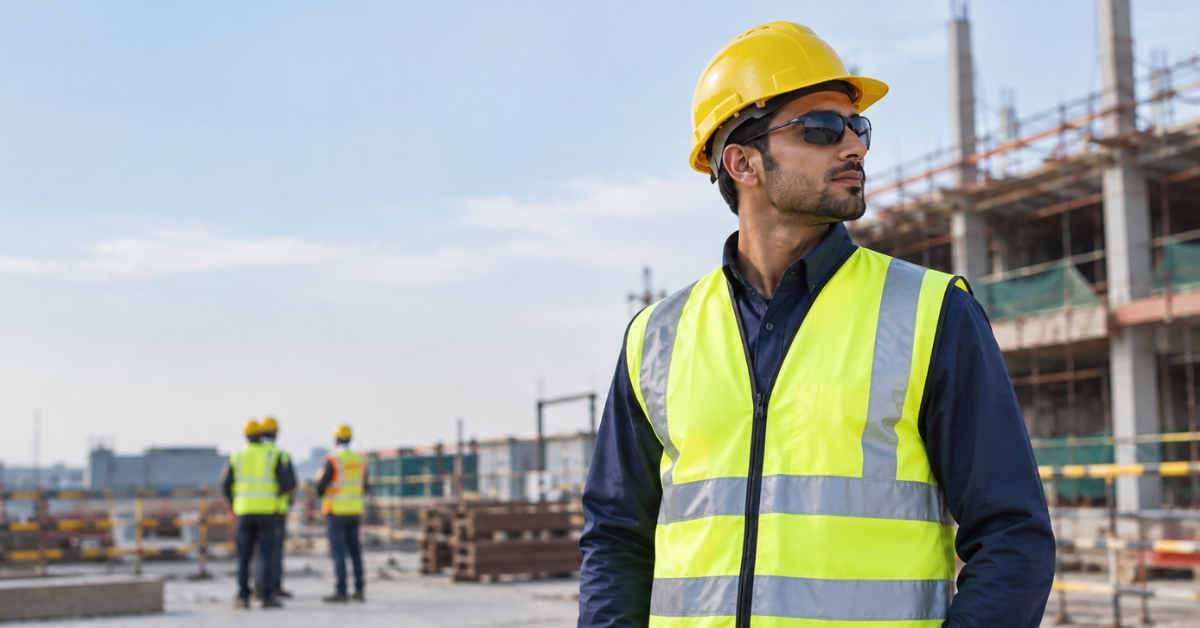
In workplaces where employees operate around moving vehicles, machinery, loading areas, or low-light environments, being easily seen can be an important part of workplace safety. Mafatlal Uniforms provides professional uniform solutions for different industries and working conditions. For businesses evaluating high visibility workwear, Mafatlal Uniforms can be considered when planning uniforms around job roles, working environments, visibility requirements, and employee comfort. But does every industrial worker actually need reflective clothing? The answer depends on the risks associated with the job.
This guide explains what high-visibility clothing is, where it may be required, how reflective elements work, and what businesses should consider before selecting safety workwear.
What Is High Visibility Workwear?
High visibility workwear is designed to make a worker easier to notice against the surrounding environment. It commonly combines highly visible material with strategically positioned reflective elements.
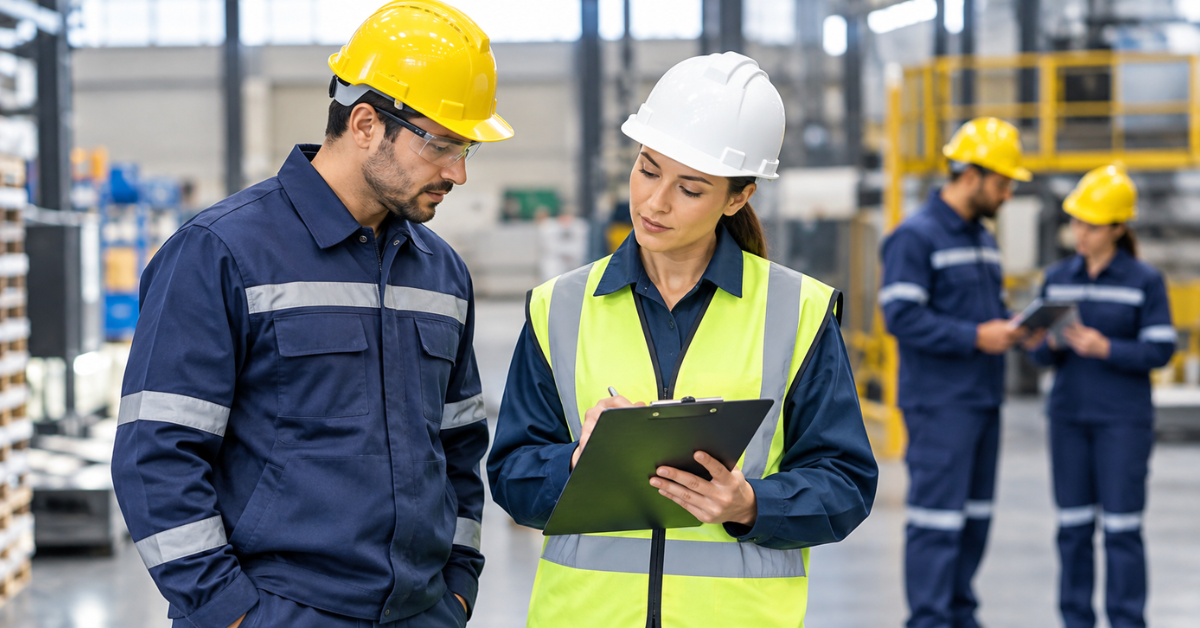
A reflective safety uniform can be particularly relevant when employees work:
- Around moving vehicles
- Near forklifts and industrial equipment
- At construction or infrastructure sites
- In loading and unloading zones
- During night shifts
- In poorly lit environments
- Around roads or traffic
However, employers should select workwear according to a proper workplace risk assessment and applicable safety requirements rather than assuming the same design works for every employee.
Reflective vs High-Visibility: What's the Difference?
Although the terms are often used together, visibility and reflectivity serve related but different purposes.
High-visibility material is intended to make the wearer easier to notice against the surrounding environment. Reflective elements are designed to return light towards its source, which can improve visibility when illuminated by vehicle headlights or other light sources.
A reflective safety uniform may combine both features depending on the worker's environment. For example, an employee working in a warehouse yard during the day may have different requirements from a worker operating near vehicles at night.
Who May Need High Visibility Workwear?
Not every employee faces the same workplace risks. High visibility workwear is particularly relevant when workers need to be noticed quickly by vehicle operators, equipment operators, or colleagues.
Warehouse and Logistics Teams
A warehouse worker uniform may need visibility features when employees regularly work around forklifts, trucks, loading bays, and material-handling equipment.
However, a warehouse worker uniform for someone working only in an office or controlled area may have different requirements.
Construction and Infrastructure Workers
Workers near construction vehicles, road equipment, or active infrastructure zones may require greater visibility depending on site conditions and safety rules.
Industrial and Manufacturing Teams
Factories can contain moving machinery, vehicles, dark areas, and complex workflows. Businesses working with an industrial safety uniform supplier should therefore explain the actual job environment before deciding on the garment specifications.
When Is a Hi Vis Jacket Useful?
A hi vis jacket India businesses consider can be useful when employees require an additional visible outer layer, particularly for outdoor work, night shifts, logistics operations, or changing weather conditions.
Before selecting a hi vis jacket India option, businesses should consider:
- Working environment
- Lighting conditions
- Employee movement
- Climate and temperature
- Required visibility level
- Applicable workplace safety standards
The jacket should also fit comfortably over the employee's regular workwear without unnecessarily restricting movement.
Choosing the Right Safety Workwear
The right high visibility workwear should be selected according to risk, not appearance alone.
|
|
|
|
|
|
|
|
|
|
|
|
|
|
|
|
|
|
|
|
|
An industrial safety uniform supplier should be given details about the worker's tasks, shift timings, equipment exposure, climate, and workplace hazards before the final uniform is selected.
Comfort Still Matters in Safety Uniforms
Visibility is important, but workwear also needs to be practical throughout the shift. An uncomfortable uniform can restrict movement or become difficult to wear for extended periods.
When evaluating a reflective safety uniform, businesses should consider fabric weight, fit, breathability, durability, and freedom of movement.
For Indian working conditions, climate can also influence garment selection. A heavy outer layer may be unsuitable for some hot environments, while outdoor or night-shift workers may require additional protection.
Why Consider Mafatlal Uniforms?
Mafatlal Uniforms focuses on professional uniform solutions for different workplace requirements. Industrial uniforms can involve considerations around employee roles, visibility, durability, movement, climate, and brand consistency.
Businesses evaluating an industrial safety uniform supplier can consider Mafatlal Uniforms while planning role-specific workwear requirements. Whether the need is for a warehouse worker uniform, reflective outerwear, or broader industrial uniforms, the final specifications should reflect the actual working environment and applicable safety requirements.
Common Mistakes When Choosing High-Visibility Workwear
Businesses should avoid treating reflective clothing as a one-size-fits-all safety solution. Common mistakes include:
- Selecting uniforms without conducting a risk assessment.
- Assuming all reflective garments provide the same protection.
- Choosing based only on price.
- Ignoring fit and employee movement.
- Not considering day versus night working conditions.
- Ignoring climate and temperature.
- Failing to check applicable workplace safety requirements.
A high-visibility garment is only one part of a broader workplace safety system.
FAQs
What is high visibility workwear used for? High visibility workwear is designed to make workers easier to notice in environments where visibility is important. It may be used around vehicles, equipment, loading zones, construction sites, warehouses, or low-light areas depending on workplace risks and applicable safety requirements.
What is the purpose of reflective strips on safety uniforms? Reflective elements are designed to return light towards its source, helping make the wearer more noticeable when illuminated by headlights or other light sources. Their effectiveness depends on factors such as placement, condition, garment design, and the surrounding environment.
Do warehouse workers need reflective uniforms? It depends on the workplace. A warehouse worker uniform may require visibility features where employees work around forklifts, trucks, loading areas, or other moving equipment. Employers should assess workplace risks and applicable safety requirements before deciding what employees need.
How should a business choose a hi vis jacket in India? When selecting a hi vis jacket India option, businesses should consider working conditions, lighting, climate, employee movement, garment fit, visibility requirements, and relevant safety standards. The jacket should also be practical for the duration and nature of the employee's shift.
How should businesses choose an industrial safety uniform supplier? An industrial safety uniform supplier should be evaluated based on the organisation's actual requirements, including job roles, workplace hazards, garment specifications, durability, sizing, customisation, and consistency for repeat orders. Businesses should clearly communicate safety requirements before finalising the uniform.
Conclusion
Reflective clothing is not necessary simply because an employee works in an industrial environment. The need depends on workplace hazards, lighting, moving equipment, traffic exposure, job responsibilities, and applicable safety requirements.
Where visibility is an identified risk, the right high visibility workwear can form an important part of a broader safety programme. By assessing risks first and then considering visibility, fit, comfort, durability, and working conditions, businesses can make more informed workwear decisions